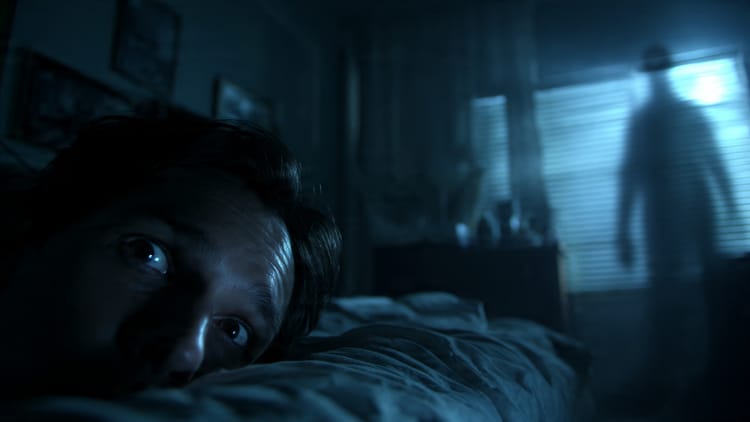
Memory Theft

He stopped recognizing the day his life disappeared.
Not the dramatic parts. Not the hospital, not the scans, not the conversations with white coats.
What went missing were the simple things: why his sister’s eyes were red, why there was a dent in his front bumper, why everyone kept saying “you did this” when, as far as he knew, he had just arrived.
HOW IT BEGAN TO UNRAVEL
It started small, like it always does.
He began misplacing things he never used to lose. His keys, his phone, his car in the grocery store parking lot. At first everyone filed it under “stress” and “too many screens.” Then he forgot the route home from a job he’d been driving to for years. Then he asked his sister the same question three times in a row and got irritated when she answered as if it was new.
His texts got stranger. Whole conversations derailed into half-finished sentences. He would promise to show up somewhere and then act surprised when they called asking where he was.
And then his personality tilted.
THE STRANGER IN HIS BODY
He became impulsive. Loud in ways he had never been loud. He laughed in the wrong places, snapped at small things, made risky decisions that felt like they belonged to someone else’s life. The man who once double checked every lock at night suddenly walked out at 2 a.m. “to get air” and came back with a speeding ticket he didn’t remember getting.
At first, the people who loved him tried on the usual explanations, like outfits from a shared closet.
Burnout. Depression. A late awakening, “finally living a little.”
When he got paranoid, picking fights with neighbors, accusing his sister of “moving his stuff on purpose,” the vocabulary changed.
Maybe it’s drugs.
Maybe it’s psychosis.
Maybe he’s just… showing his true colors.
No one reached for “his immune system is attacking his brain.” Not yet.
WHAT EVERYONE THOUGHT IT WAS
He landed first on a psychiatric unit.
The notes read like a script: new onset agitation, mood swings, insomnia, paranoid thoughts, possible first episode psychosis. They tried antipsychotics. He got worse. His movements turned odd, his speech more tangled. He stared at corners as if listening to something no one else heard, then insisted nothing was there.
Online, cases like his get folded into threads about “demonic possession,” “walk ins,” and “he’s not my son anymore.” Offline, the language is softer but just as brutal.
“He’s not himself.”
“He’s gone.”
“There’s something wrong with his soul.”
No one likes to think “maybe his hippocampus is on fire.”
UNDER THE SURFACE
There were clues, if you knew where to look.
Seizure like spells that no one could quite capture. Brief episodes where he would freeze, mouth moving slightly, eyes open and not really seeing the room. Minutes later, he’d blink and ask why everyone was staring.
His short term memory was swiss cheese. He couldn’t hold onto new information for more than a few minutes. Neuropsychological testing showed scores that did not match his age, his education, or the version of him in old photos and emails.
Imaging was underwhelming at first. Mild changes, nothing that screamed “this is it.” Routine labs weren’t helpful. It took someone thinking past “primary psychiatric” to order the tests that mattered
EEG looking for subtle seizure activity, spinal fluid studies, and an autoimmune panel that most people never hear about until their life depends on it.
THE NAME BEHIND THE THEFT
The results came back with an answer that was both too technical and too simple.
Autoimmune encephalitis.
His immune system had started making antibodies that recognized parts of his brain as targets, binding to receptors that neurons use to talk to each other, especially in the limbic system where memory and emotion live.
Sometimes it’s anti NMDA receptor. Sometimes LGI1. Sometimes rarer names that never trend but quietly destroy people anyway. The effect is similar
synapses disrupted, networks inflamed, circuits that used to hold a person’s preferences, fears, and habits suddenly flooded and misfiring.
Early on, it looks like pure psychiatry
panic, mania, paranoia, bizarre behavior. Over days to weeks, neurological pieces move in: seizures, abnormal movements, memory collapse, changes in consciousness. A haunting that starts with personality and ends with intensive care.
We explained it to his family in a room that felt too small for what we were asking them to understand.
“No, he didn’t choose this. No, it’s not ‘just mental.’ His immune system is attacking his brain. We have a name for it. And treatments. But we are late.”
WHAT TREATMENT TAKES AND GIVES BACK
Treatment is not a single pill.
It is high dose steroids, intravenous immunoglobulin, sometimes plasmapheresis to filter out the antibodies. It can mean months of immunotherapy, oncology consults to hunt for hidden tumors, rehabilitation to reteach a brain how to be itself.
He did not bounce back like a movie character waking from a spell.
First, the aggression softened.
Then the paranoia dulled.
His memory came back in patches, like an old hard drive trying to spin up one more time. Some days he remembered passwords but not arguments. Other days he remembered arguments but not his niece’s name.
On scans and in follow up studies, people like him often show scars you can’t see with the naked eye
subtle changes in the hippocampus and connected networks, reduced structural and functional “complexity” that correlate with the pieces of them that never fully return.
Months into treatment, he could tell you the date, the year, the name of the hospital. He could also look at pictures of himself from before and say, very quietly, “I don’t remember being that guy, but I believe you when you say I was.”
For him, the ghost that moved into his life wasn’t a spirit it was his own immune system, quietly editing the parts of his brain that used to remember who he was.
Soren Whitlock